
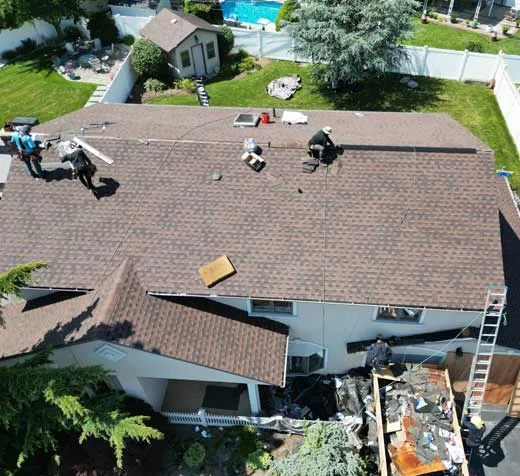
When people think about roof damage, they usually imagine missing shingles or leaks. But one of the most dangerous and overlooked threats is weight overload.
Your home’s roof weight capacity Long Island structures are designed for is not unlimited, and many homeowners are shocked to learn how quickly that limit can be reached during heavy snowstorms, renovations, or when adding rooftop equipment.
A roof is not just a cover, it is a carefully engineered structural system. And when that system is overloaded, failure can happen suddenly and without much warning.
What Is Roof Weight Capacity?
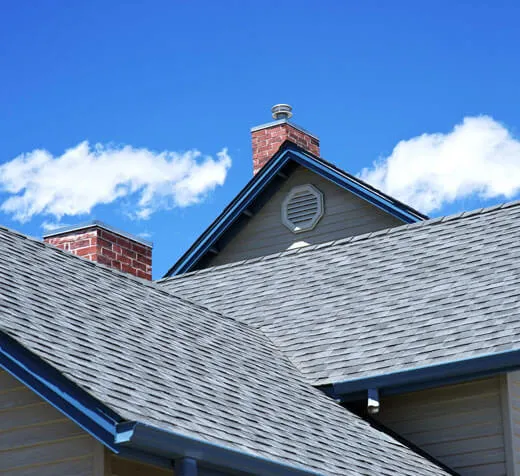
The roof weight capacity Long Island homes are built with refers to the maximum load your roof can safely support without structural damage.
This includes snow accumulation, ice buildup, roofing materials, attic storage in some cases, HVAC systems, solar panels, satellite dishes, and maintenance workers.
There are two main types of load. Dead load is the permanent weight of the roof itself, including shingles, plywood, and framing. Live load is temporary weight such as snow, ice, people walking on the roof, and temporary equipment.
When live load becomes too heavy, the roof structural load Long Island homes experience can exceed safe limits.
How Snow Becomes a Serious Structural Threat
Long Island winters are especially demanding because snow is not just light and fluffy.
Fresh snow is relatively light, packed snow is heavier, and wet snow is dense and adds significant weight to a roof over time.
A single storm can meaningfully increase the pressure on a roof, particularly if snow accumulates over several days without melting.
This is why Long Island roof snow load conditions are one of the leading factors in winter roof stress.
Ice adds considerably more weight than snow per cubic foot, creating extra stress on rafters and trusses, especially when ice forms on top of existing snow.
Can Rooftop Equipment Damage a Roof?
Yes, and it happens more often than homeowners realize.
Adding equipment increases permanent load, including solar panels, HVAC units, satellite dishes, antennas, and skylight modifications.
If not properly engineered, these additions can push a roof beyond its roof load capacity, especially on older homes.
Even small installations can create uneven weight distribution, stress points on rafters, and long-term structural fatigue.
Warning Signs Your Roof May Be Overloaded
Homeowners should never ignore these warning signs: sagging rooflines, cracking sounds in the attic, doors suddenly sticking, visible dips in the ceiling, interior wall cracks, and excessive creaking during storms.
These are all signs your residential roof structural safety may already be compromised.
Does an Older Roof Have Lower Weight Capacity?
Absolutely. As roofs age, wood weakens, fasteners loosen, moisture damage spreads, and structural integrity declines.
This means older homes on Long Island often have a reduced roof weight capacity Long Island conditions can safely support, even if they were originally built to code.
When Should You Get a Structural Roof Inspection?
You should schedule an inspection if your roof is over 15 to 20 years old, you have had multiple heavy snowstorms, you are installing solar panels or HVAC equipment, you notice sagging or leaks, or you are unsure about your roof’s load limits.
A professional inspection can determine your true roof structural load Long Island safety level before damage occurs.
What to Do If Heavy Snow Builds Up
If snow accumulation becomes extreme, do not climb onto the roof, avoid using sharp tools that can damage shingles, use safe roof rakes from the ground if possible, and call a professional roofing contractor.
Trying to remove snow improperly can cause more damage than the snow itself.
Frequently Asked Questions
How much weight can a residential roof safely hold?
How does snow affect roof weight capacity?
Can rooftop equipment damage a roof structure?
How can homeowners tell if their roof is overloaded?
Does an older roof have a lower weight capacity?
When should a homeowner get a structural roof inspection?
Can solar panels, HVAC equipment, or satellite dishes add too much roof weight?
What should you do if heavy snow accumulates on your roof?
Final Thoughts
Understanding your roof weight capacity Long Island homeowners rely on is not just technical knowledge, it is a safety necessity. Between heavy snowstorms, aging homes, and modern rooftop installations, roofs are under more stress today than ever before.
A properly maintained roof can last decades, but only if its structural limits are respected and monitored.
Concerned your roof may be carrying too much weight? Contact Skyscape Roofing today for a professional structural inspection.
