
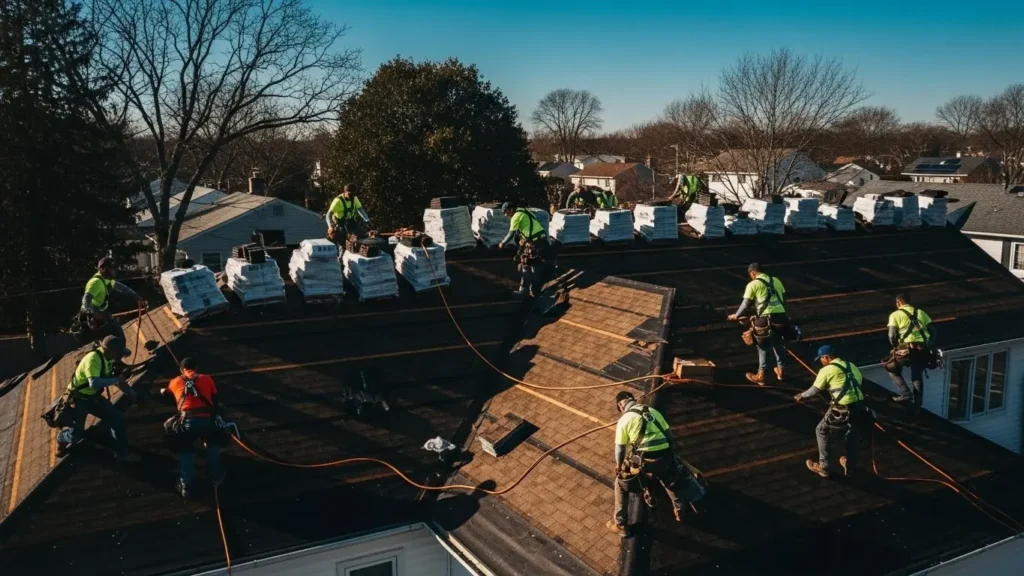
Your roof is designed to keep water away from your home, but when issues arise, prompt roof flashing repair Long Island is essential to prevent costly water damage. Some of the most vulnerable areas are the places where the roof meets another structure Chimneys, skylights, and roof vents all require flashing to create a watertight barrier. When that flashing becomes damaged, loose, corroded, or improperly installed, even a small failure can lead to roof leaks and costly interior damage.
Understanding why flashing fails can help Long Island homeowners identify problems early and know when roof flashing repair may be necessary.
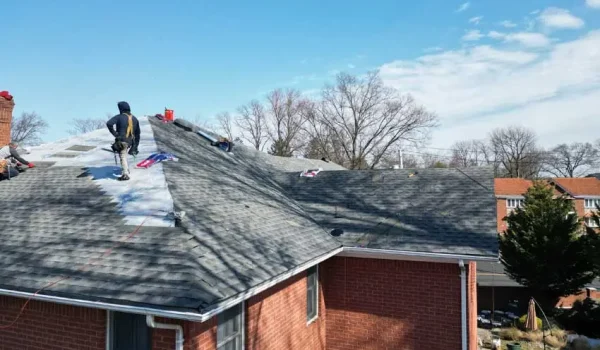
What Is Roof Flashing?
Roof flashing consists of thin pieces of water-resistant material installed around roof joints, penetrations, and transitions. Its primary purpose is to direct water away from vulnerable areas and prevent moisture from entering the roofing system.
Flashing is commonly found around chimneys, skylights, plumbing vents, roof vents, valleys and roof intersections, dormers, and wall-to-roof transitions.
Because these areas experience repeated exposure to rain, wind, temperature changes, and moisture, flashing can eventually deteriorate, especially given Long Island’s coastal weather conditions.
Why Does Roof Flashing Fail?
Several factors can cause flashing to fail. In some cases, the problem is related to age and weather exposure. In others, improper installation or poor maintenance may be responsible.
- Normal Wear and Aging
Roof flashing is exposed to the elements throughout the year. Over time, materials can become brittle, corroded, cracked, or separated from surrounding roofing materials.
Older flashing may no longer provide a reliable seal, allowing water to find its way beneath the roofing system.
If your roof is several years old and you notice signs of moisture around a chimney, skylight, or vent, an inspection can determine whether roof flashing repair Long Island homeowners need is necessary.
2.Improper Installation
Flashing needs to be installed correctly to effectively direct water away from vulnerable areas.
Poor installation can include improperly overlapping flashing pieces, inadequate sealing, incorrect placement, or failure to integrate flashing with the surrounding shingles or roofing membrane.
Even high-quality flashing can eventually leak if it was not installed correctly in the first place.
3.Storm and Wind Damage
Strong winds and severe weather can loosen flashing or damage the materials surrounding it. Wind-driven rain can then enter through small openings that may not be visible from the ground.
After a major storm, homeowners should pay particular attention to areas around chimneys, skylights, and vents.
4.Cracked or Deteriorated Sealant
Sealants are often used around flashing to help prevent water intrusion. However, sealants can deteriorate over time because of UV exposure, temperature changes, and moisture.
Cracked or shrinking sealant can leave small gaps where water can penetrate.
Replacing sealant may solve a minor problem in some situations, but damaged flashing may require more extensive roof flashing repair.
5.Corrosion
Metal flashing can corrode when exposed to moisture for extended periods, particularly when the material is old or damaged. Long Island’s salt air and coastal humidity can accelerate this process.
Rust and corrosion can eventually create holes or weaken the flashing. Once the material is compromised, applying sealant over the problem may only provide a temporary solution.
6.Movement Around Chimneys
Chimneys and roofing systems can experience movement as temperatures change and materials expand or contract.
Flashing around a chimney must accommodate these conditions. If flashing becomes separated or damaged, water can enter around the chimney base.
A leak may first appear as a ceiling stain or damp area near the chimney, even though the actual source is on the roof
Why Chimney Flashing Is So Important
Chimneys create a large interruption in the roof surface. Without properly installed flashing, rainwater can collect where the chimney meets the roof.
Chimney flashing typically involves several components designed to guide water away from this vulnerable transition.
Signs of possible chimney flashing problems include water stains on ceilings or walls near the chimney, damp areas in the attic, missing or damaged flashing, cracked sealant, visible rust, and loose roofing materials around the chimney.
If you notice these signs, professional inspection can help determine whether the issue is the flashing, roofing materials, chimney structure, or another component.
Why Skylight Flashing Can Leak
Skylights provide natural light, but they also create another penetration through the roof. Proper flashing is essential to keep water from entering around the skylight frame.
Skylight flashing can fail because of aging materials, improper installation, damaged flashing, deteriorated seals, ice or debris buildup, and storm damage.
A skylight leak can sometimes be mistaken for a problem with the glass or window itself. In reality, the surrounding flashing or roofing materials may be responsible.
Roof Vent Flashing Problems
Roof vents also require flashing because they penetrate the roofing surface.
When vent flashing deteriorates, water can enter around the base of the vent and travel through the roofing system.
Common warning signs include water stains around attic areas, damp insulation, moisture around the vent, cracked flashing, rusted metal, and damaged shingles surrounding the vent.
Because water can travel away from the original entry point, the location of an interior stain does not always indicate where the roof is actually leaking.
Can You Repair Roof Flashing Without Replacing the Roof?
In many cases, yes.
If the roofing system is otherwise in good condition and the problem is isolated to damaged or deteriorated flashing, roof flashing repair may be sufficient.
Depending on the condition of the flashing, a professional may recommend repairing loose flashing, replacing damaged sections, replacing deteriorated sealant, replacing chimney flashing, repairing flashing around skylights, replacing vent flashing, and repairing surrounding roofing materials.
However, if the flashing problem has caused extensive moisture damage or the surrounding roof is nearing the end of its useful life, a larger repair or roof replacement may be more appropriate.
How to Prevent Roof Flashing Problems
Regular roof maintenance can help identify flashing problems before they become major leaks.
Consider having your roof inspected periodically, especially after severe weather. During an inspection, a roofing professional can check flashing around chimneys, skylights, vents, and other vulnerable areas.
Homeowners should also look for obvious warning signs such as missing roofing materials, visible rust, damaged sealant, or water stains inside the home.
Early attention can potentially prevent a small flashing issue from becoming a much larger roofing problem.
When Should You Call a Roofing Professional?
You should consider contacting a roofing professional if you notice water entering around a chimney, skylight, or vent, particularly after rainfall.
Professional roof flashing repair Long Island homeowners can rely on addresses the underlying problem rather than simply covering the visible symptom.
Trying to seal a leak without identifying its source may only provide temporary results. Because water can travel underneath roofing materials, determining exactly where moisture is entering is an important part of an effective repair.
Protect Your Roof Before a Small Flashing Problem Becomes a Major Leak
Flashing may be a relatively small component of your roofing system, but it plays an important role in protecting your home from water intrusion. Chimneys, skylights, and vents are especially vulnerable because they create openings and transitions in the roof.
If flashing becomes damaged, corroded, loose, or improperly sealed, water can eventually reach the roof deck, insulation, attic, walls, or ceilings.
If you suspect a flashing problem, having the area professionally inspected can help determine whether a simple roof flashing repair can resolve the issue or whether additional roofing work is necessary.
Notice signs of a flashing problem around your chimney, skylight, or vent? Contact Skyscape Roofing today for a professional inspection and honest repair recommendation.
