
Can a Roof Leak Cause Mold in Your Attic? Long Island Guide
A roof leak may seem like a minor problem when the only visible sign is a small water stain on the ceiling. But if water is entering your attic space, structural degradation continues long after the rain stops. One of the most persistent and damaging risks homeowners face following water intrusion is roof leak mold.
When moisture penetrates an attic through compromised shingles, failed flashing, or unsealed vents, it saturates insulation, framing rafters, and structural wood decking. If these confined spaces remain damp, they create an ideal microclimate for active mold spores to colonize and spread.
According to the U.S. Environmental Protection Agency (EPA), strict moisture control serves as the primary barrier against domestic mold development. Any roof vulnerability must be sealed immediately, and water-damaged interior framing must be thoroughly dried.
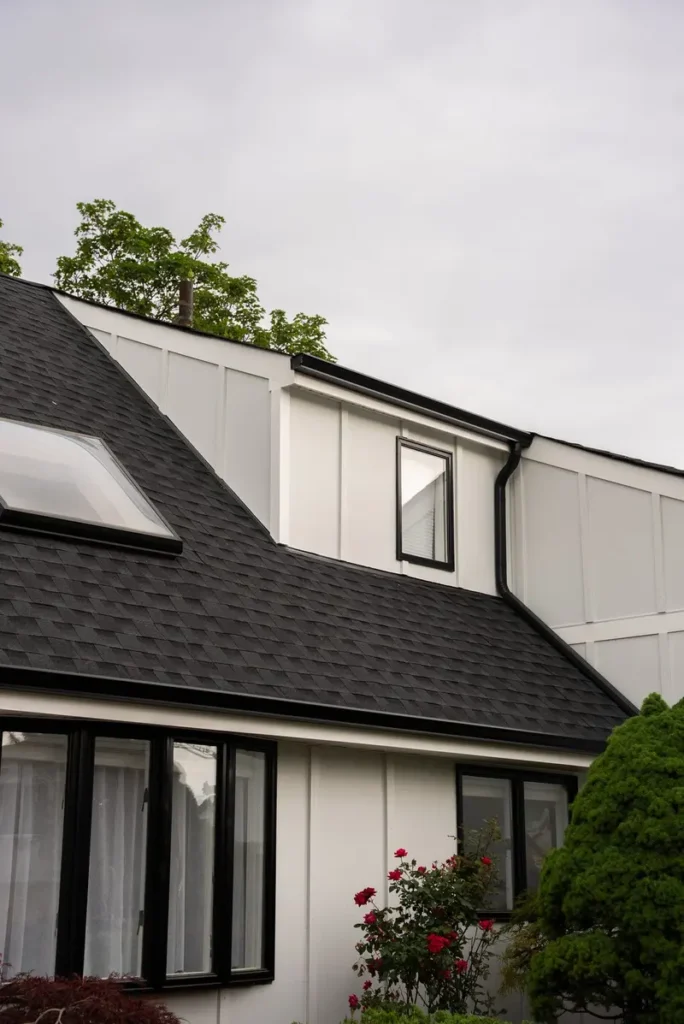
How Does a Roof Leak Cause Mold in Attic Spaces?
Mold requires two essential components to proliferate: organic cellulose and sustained moisture. An unaddressed roof leak provides both.
Rainwater enters past storm-damaged shingles, valley transitions, plumbing boots, or perimeter edges, dripping directly into attic spaces. Moisture gets trapped inside dense fiberglass or cellulose insulation and absorbs deep into structural framing lumber. Even after dry weather returns outside, trapped humidity inside the attic cannot readily evaporate.
The deterioration timeline typically progresses as follows:
Wind or wear compromises the outer roofing layer
Rainwater bypasses the weather barrier into the attic
Framing timbers, insulation, and drywall absorb standing water
Stagnant air and humidity keep the framing saturated
Fungal spores activate and spread across structural surfaces
The longer high moisture levels persist, the higher the risk of rot, framing failure, and widespread indoor air contamination.
Where Does Roof Leak Mold Commonly Grow?
Because attics remain rarely visited by homeowners, hidden moisture can quietly foster fungal colonies across multiple vulnerable building assemblies.
When inspecting an attic after rain or storm activity, inspect these critical surfaces:
Structural wooden rafters, joists, and engineered roof trusses
Plywood or OSB roof decking
Blown-in or batten attic insulation layers
Perimeter sheathing near soffit intake zones
Framing around attic ventilation components
Roof deck penetrations surrounding skylights, chimneys, and pipe collars
Drywall ceiling materials directly beneath roof valleys
What Does Roof Leak Mold Look Like?
Attic mold does not always present a uniform appearance. It frequently manifests as black, dark green, brown, gray, or powdery white discoloration spreading across rafters and sheathing boards.
However, visual appearance alone cannot determine mold toxicity or fungal species without laboratory sampling.
Physical warning indicators to monitor include:
Pungent, persistent musty smells rising into upstairs living areas
Dark circular discoloration or water staining on drywall ceilings
Spongy, matted, or discolored fiberglass insulation batts
Dark staining or water rings across exposed roof decking boards
Visible rust forming on roofing nails, drywall screws, or metal fasteners
Peeling ceiling paint or softening drywall plaster
How Fast Does Mold Grow After a Roof Leak?
There is no universal timeline for mold development, as spore activation depends heavily on attic temperatures, relative humidity, and the volume of trapped water.
Under typical humid conditions, mold spores can germinate and begin colonizing damp wood or drywall within 24 to 48 hours following initial saturation.
Because fast drying dramatically suppresses spore propagation, a newly discovered roof leak cannot safely wait for a convenient weekend repair. Water intrusion demands immediate physical mitigation.
Can a Minor Roof Leak Trigger Widespread Mold?
Yes. Severe mold outbreaks do not require a torrential torrent of water. In fact, subtle, continuous micro-leaks often create the most extensive mold infestations because they go undetected for months.
A hair-thin gap in step flashing, a cracked plumbing vent boot, or a lifted shingle tab can allow ounces of rainwater inside during every storm. If damp sheathing never completely dries out between rain events, high relative humidity quietly supports deep-seated mold colonization across the entire attic cavity.
What to Do If You Discover Roof Leak Mold
If you find mold or suspect active fungal growth inside your attic, follow these systematic remediation steps:
1. Locate the Primary Water Entry Point
Water rarely travels in a straight vertical path; it often flows down angled rafters, sheathing seams, and wiring harnesses before dripping down. A comprehensive roof evaluation is required to pinpoint the exact exterior breach.
2. Stop the Roof Leak Immediately
Surface cleaning without resolving the structural roof failure guarantees mold will return. The failed flashing, damaged shingle array, or leaking transition must be permanently sealed and rebuilt.
3. Dry Out Saturated Framing Materials
Remove and dispose of water-logged insulation, which cannot be effectively sanitized once deeply saturated. Deploy commercial dehumidifiers and high-velocity air movers to bring framing moisture content below 16%.
4. Assess Mold Scope and Remediation Needs
Small, isolated surface patches may be scrubbed using EPA-approved antimicrobial fungicides. However, if fungal growth covers more than 10 square feet or saturates porous structural lumber, engage professional mold remediation specialists.
5. Verify and Balance Attic Ventilation
A balanced ventilation system facilitates steady airflow, preventing internal humidity accumulation. While adequate airflow will not stop an active water leak, proper airflow prevents the damp conditions that promote mold.
Practical Steps to Prevent Roof Leak Mold
Proactive maintenance prevents costly attic restorations before fungal outbreaks take root:
Schedule professional roof inspections following severe seasonal storms
Replace brittle, cracked, lifted, or missing shingles promptly
Inspect flashing seals around skylights, chimneys, and roof parapets
Clear debris from gutter troughs to prevent water damming along roof eaves
Check attic framing periodically for dark stains, damp insulation, or musty odors
Maintain balanced soffit intake and ridge exhaust ventilation to vent humidity
Address active ceiling stains immediately rather than repainting over them
Is Roof Leak Mold a Health Concern?
Yes. Attic mold rarely stays isolated; circulating airflow, recessed lighting fixtures, and HVAC ductwork can pull airborne fungal mycotoxins into residential living spaces below.
According to the Centers for Disease Control and Prevention (CDC), prolonged exposure to indoor mold can trigger nasal congestion, wheezing, throat irritation, chronic coughing, and skin rashes. Individuals diagnosed with asthma, chronic respiratory conditions, or compromised immune systems face heightened health risks.
When to Call a Roofing Professional
Arrange a professional inspection immediately if your home exhibits:
Recurring damp rings or brownish water stains on top-floor ceilings
Discolored, blackened, or mold-encrusted roof decking inside the attic
Damp, degraded attic insulation beneath valleys or eaves
Lingering musty odors near attic access hatches
Granule loss, curling edges, or storm damage visible from the ground
A licensed professional will identify whether water intrusion stems from wind-damaged shingles, failed flashing, blocked ventilation, or worn underlayment, and provide an enduring repair plan.
Frequently Asked Questions
Can an attic roof leak cause black mold?
Does homeowners insurance cover roof leak mold?
Can attic mold spread into the rest of the house?
Should I clean attic mold myself?
Protect Your Attic from Structural Water Damage
Even minor roof leaks quickly evolve into complex structural and indoor air quality hazards if ignored. Addressing water penetration early prevents severe structural framing rot and costly interior mold mitigation.
Need an evaluation of a suspected leak? Contact Skyscape Roofing today to schedule a comprehensive roof and attic moisture inspection.
