
If you’re planning to sell your home, the condition of your roof plays a bigger role in your sale price than many homeowners realize. Understanding roof problems home appraisal Long Island sellers should watch for can help you avoid an unexpected drop in value or a delayed closing.
An appraiser doesn’t just look at square footage and location. Visible roofing issues, from missing shingles to signs of water damage, can directly affect the appraised value of your home and how buyers perceive the property.
In this guide, we explain how roofing condition factors into a home appraisal and what issues you should address before listing your home for sale.
In this guide, we explain how roofing condition factors into a home appraisal and what issues you should address before listing your home for sale.
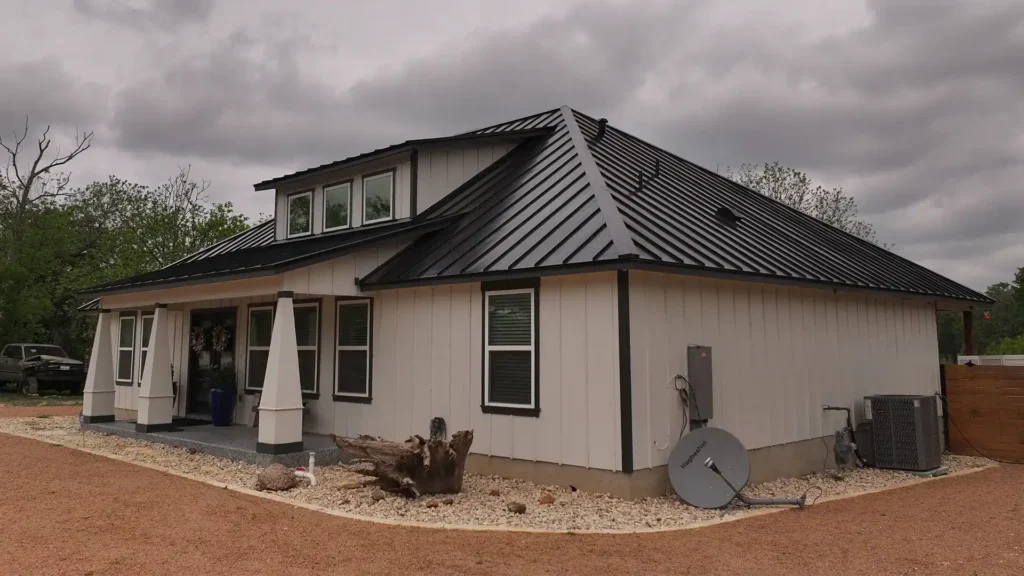
Why Roof Condition Matters During a Home Appraisal
An appraiser’s job is to estimate the fair market value of a home based on its condition, comparable sales, and other factors. Roof condition is one of the physical elements an appraiser evaluates directly.
A roof that is damaged, aging, or improperly maintained can lower the appraised value of a home, since it signals a future repair cost to potential buyers and lenders. This is why roof problems home appraisal Long Island homeowners deal with can sometimes come as a surprise during the selling process.
Common Roof Problems That Can Lower Your Appraisal
1. Missing or Damaged Shingles
Visible shingle damage is one of the most common roof problems home appraisal Long Island sellers encounter. Missing, cracked, or curling shingles suggest that the roof needs repair or replacement soon.
Appraisers and buyers alike may view this as a sign of deferred maintenance, which can lead to a lower appraisal or requests for repair credits during negotiations.
2. Roof Age
An older roof nearing the end of its expected lifespan can affect how an appraiser values your home, even if there are no visible problems yet.
Buyers and lenders often want to know how many years of useful life remain on a roof before approving financing, since a roof replacement can be a significant expense.
3. Signs of Water Damage or Leaks
Water stains on ceilings, damp spots in the attic, or visible signs of past leaks can raise concerns during an appraisal.
Even if a leak has already been repaired, unresolved staining or damage can suggest a larger issue that affects both the appraised value and buyer confidence.
4. Sagging or Structural Issues
A sagging roofline or visible structural concerns are serious red flags during a home appraisal. These issues can significantly reduce a home’s value and may even affect whether a lender approves a mortgage for the buyer.
Roof problems home appraisal Long Island sellers should never ignore include any visible sagging, since this often points to deeper structural damage.
5. Improper or Incomplete Past Repairs
If previous roof repairs were done without proper permits or by an unlicensed contractor, this can raise questions during an appraisal or inspection.
Appraisers and inspectors may flag inconsistent repair work, mismatched shingles, or signs of DIY patch jobs as areas of concern.
6. Poor Ventilation or Insulation Issues
While less visible than shingle damage, poor attic ventilation or insulation problems can also affect a home’s overall condition rating during an appraisal.
These issues are sometimes uncovered during a home inspection that follows the appraisal, which can still affect the final sale terms.
How Roof Problems Affect the Home Selling Process
Beyond the appraisal itself, an aging or damaged roof can affect your home sale in several ways:
Buyers may request a lower purchase price to account for anticipated roof repairs
Lenders may require roof repairs before approving a buyer’s mortgage
A low appraisal can delay or complicate the closing process
Homes with visible roof issues may sit on the market longer
Addressing roof problems home appraisal Long Island sellers commonly face before listing your home can help avoid these complications.
Should You Repair Your Roof Before Selling?
Whether to repair or replace your roof before listing depends on its current condition and the local real estate market.
In many cases, addressing visible roof damage before an appraisal can help you avoid a lower valuation or difficult buyer negotiations. A professional roof inspection can help you understand which issues need attention before your home goes on the market.
If your roof is relatively new and in good condition, you may not need any work done before listing. However, if there are visible signs of damage, it’s often worth addressing them proactively.
How to Prepare Your Roof Before an Appraisal
A few proactive steps can help your roof present well during a home appraisal:
Schedule a professional roof inspection before listing your home
Repair any missing, damaged, or curling shingles
Address visible leaks or water damage promptly
Clean gutters and remove debris from the roof surface
Keep documentation of any past roof repairs or replacements
Consider a professional cleaning if the roof shows algae or moss growth
These steps can help minimize the risk that roof problems home appraisal Long Island sellers face will negatively affect your sale price.
Frequently Asked Questions About Roof Problems and Home Appraisals
Can a bad roof lower my home's appraisal value?
Do I need to replace my roof before selling my home?
Will a home inspection reveal roof problems the appraisal missed?
How much can roof problems reduce my home's value?
Should I get a roof inspection before listing my home?
What roof issues do appraisers look for most often?
Final Thoughts: Protect Your Home's Value Before You Sell
Understanding how roof problems home appraisal Long Island sellers experience are connected can help you make smarter decisions before listing your home. A well-maintained roof not only protects your property but can also support a stronger appraisal and a smoother sale process.
Before putting your home on the market, consider having your roof professionally inspected. Addressing any issues in advance can help you avoid surprises during the appraisal and present your home in the best possible condition to potential buyers.
