
If you have a hot attic Long Island homeowners may notice that the upstairs of their home becomes uncomfortable during summer, even when the air conditioner is running. A hot attic is not always simply the result of warm outdoor temperatures. Poor roof ventilation, inadequate insulation, blocked soffit vents, air leaks, and roofing problems can all contribute to excessive attic heat.
For Long Island homeowners, understanding why an attic becomes excessively hot can help identify roofing problems before they lead to premature shingle deterioration, moisture damage, higher cooling demands, or expensive repairs.
In this guide, we explain seven common reasons for a hot attic Long Island homeowners should know about and what you can do if your attic is consistently overheating.
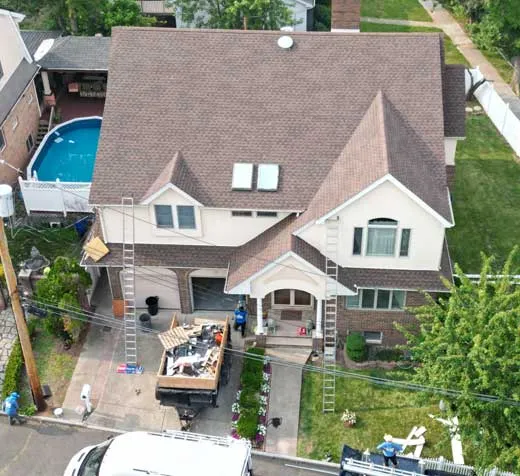
What Causes a Hot Attic in Long Island?
An attic naturally becomes warmer than the outdoor air because the roof is exposed to direct sunlight. However, the problem becomes more serious when heat cannot escape efficiently.
A properly designed attic system generally relies on a combination of ventilation, insulation, and air sealing. Intake vents, such as soffit vents, allow outdoor air to enter while exhaust vents, such as ridge vents, help release warm air. According to the U.S. Department of Energy’s guidance on attic ventilation, balanced intake and exhaust airflow is essential for regulating attic temperature and moisture year-round.
If any part of this system is blocked, damaged, poorly designed, or improperly installed, you may end up with excess attic heat throughout the summer.This is one of the most common reasons behind a hot attic Long Island homeowners deal with every summer.
7 Roofing Problems That Can Cause a Hot Attic Long Island Homeowners Should Check
- Poor Attic Ventilation
One of the first things to investigate when dealing with attic overheating is roof ventilation.
Ventilation is designed to help move air through the attic. In a typical vented roof system, cooler outdoor air enters through intake vents around the soffits while warmer air exits through higher exhaust vents.
When there isn’t enough airflow, hot air can remain trapped beneath the roof.
Poor ventilation may also contribute to moisture accumulation, premature roofing material deterioration, and uncomfortable temperatures on the upper floors.
For a closer look at the warning signs of a failing ventilation system, see our guide on Roof Ventilation Long Island: 7 Essential Warning Signs.
2. Blocked or Covered Soffit Vents
Soffit vents are an important part of the intake side of a ventilation system.
If insulation, debris, paint, or other materials block the soffit vents, outside air may not be able to enter the attic properly.
This can reduce the effectiveness of the entire ventilation system.
If your upstairs feels warmer than it should, check whether the soffit vents are visibly blocked or whether insulation has been installed in a way that restricts airflow.
A roofing professional can inspect the roof edge and determine whether the intake ventilation is functioning correctly.
3. Not Enough Exhaust Ventilation
Your attic needs both intake and exhaust airflow for a properly functioning vented system.
Even if your home has soffit vents, insufficient exhaust ventilation can prevent warm attic air from escaping efficiently.
Common exhaust ventilation options can include ridge vents, gable vents, and other roof ventilation systems. The correct solution depends on the roof design and existing ventilation system. If you’re weighing whether ridge vents are worth adding, our article on Roof Ridge Vents in Long Island: Do They Really Improve Attic Ventilation? breaks this down in detail.
Don’t automatically assume that adding another vent is the answer. The entire ventilation system should be evaluated to make sure the intake and exhaust sides work together.
4. Inadequate Attic Insulation
Ventilation isn’t the only factor behind attic overheating.
Insulation also plays an important role in limiting heat transfer between the attic and the living areas below.
If attic insulation is insufficient, uneven, compressed, or improperly installed, heat can transfer more easily into the rooms below.
This can make upstairs bedrooms feel warmer and may increase the cooling load on your HVAC system.
However, simply adding insulation without addressing ventilation or air leakage may not solve every attic-temperature problem.
5. Air Leaks Between Your Home and Attic
Warm indoor air can enter an attic through gaps around ceiling penetrations, light fixtures, attic access panels, plumbing openings, and other areas.
This is particularly important because indoor air can contain moisture. When warm, moist air enters an attic and encounters cooler surfaces, condensation can occur under the right conditions.
When investigating attic heat buildup, homeowners should therefore consider both heat and moisture movement.
Proper air sealing, combined with appropriate insulation and ventilation, can improve the overall performance of the attic system.
6. Aging or Damaged Roof Components
Excess attic heat can sometimes be a sign that the roofing system needs a closer inspection.
Damaged shingles, deteriorated flashing, problems around roof penetrations, or other roofing defects may allow water to enter the attic.
Water intrusion can damage roof decking and insulation and create additional problems that may not be visible from inside the living space.
Roof ventilation problems can also contribute to premature shingle deterioration. Excessive heat and poor airflow can place additional stress on roofing materials over time. To understand what heat damage looks like before it becomes a bigger issue, check out
Roof Damage from Heat: 6 Warning Signs Long Island Homes Face.
7. Roof Design and Sun Exposure
Not every case of attic overheating is caused by a damaged roof.
Roof orientation, roof pitch, roofing materials, insulation levels, attic configuration, and the amount of direct sunlight your home receives can all influence attic temperatures.
For example, a roof that receives intense afternoon sun can experience significant solar heat gain.
That means homeowners shouldn’t automatically assume that installing one additional vent will solve the problem.
A professional evaluation can determine whether the issue is related to ventilation, insulation, air sealing, roofing materials, or a combination of factors.
How Does a Hot Attic Affect Your Roof?
A hot attic Long Island homeowners experience repeatedly can contribute to uncomfortable indoor conditions and may increase heat transfer into the living space.
More importantly, excessive attic heat combined with poor ventilation can contribute to premature deterioration of roofing materials.
Roof ventilation helps remove heat and moisture from a vented attic, which is one reason ventilation is considered an important component of the overall roofing system.
However, attic temperature is only one part of roof performance. Insulation, air sealing, roof condition, moisture control, and proper installation all matter.
Does a Hot Attic Increase Energy Bills?
It can increase the cooling demand on a home because heat stored in the attic can transfer toward the living space below.
If the upstairs of your home becomes extremely warm, your air-conditioning system may need to work harder or operate for longer periods to maintain your desired indoor temperature.
However, energy use depends on many factors, including insulation, air leakage, HVAC efficiency, windows, home size, outdoor temperature, and thermostat settings.
Homeowners should therefore look at the entire building envelope rather than assuming ventilation alone is responsible for high energy bills.
How to Tell If Your Attic Is Too Hot
Some warning signs are easy to notice without climbing onto your roof. Look for:
An unusually hot attic during summer afternoons
Upstairs rooms that remain hot even when the AC is running
Cooling bills that seem unusually high
Blocked or damaged soffit vents
Missing or damaged roof vents
Moisture or condensation inside the attic
Musty odors
Damaged or deteriorating insulation
Shingles showing signs of premature wear
Visible roof or flashing damage
If you notice several of these signs together, a professional roof and attic inspection can help identify the underlying cause.
Should You Install an Attic Fan?
An attic fan may sound like an easy fix, but it isn’t automatically the right choice for every roof.The existing ventilation design should be evaluated first.
A ventilation system needs properly functioning intake and exhaust pathways. Adding a powered exhaust fan without considering the rest of the system can produce unintended airflow patterns, particularly if the attic has air leaks between the conditioned space and attic.
The best approach is to have the existing attic ventilation, insulation, and air sealing evaluated before deciding which improvement is appropriate.
What Should Long Island Homeowners Do About a Hot Attic?
If your attic becomes excessively hot every summer, don’t ignore the problem. Start by checking:
Whether soffit vents are blocked
Whether exhaust vents are present and functioning
Whether attic insulation is adequate and properly installed
Whether there are visible air leaks
Whether the roof has damaged shingles or flashing
Whether moisture or condensation is present
Whether the attic needs a professional inspection
A roofing professional can evaluate the roof system and identify whether ventilation, roofing repairs, insulation improvements, or additional work may be necessary.
Frequently Asked Questions About a Hot Attic Long Island Homeowners Ask
Why is my attic so hot in summer?
Is a hot attic normal?
Can poor ventilation damage my roof?
Will attic ventilation make my house cooler?
Should I add more roof vents?
How can I improve a hot attic?
When should I get a roof inspection?
Final Thoughts: Don't Ignore a Hot Attic
A hot attic Long Island homeowners experience during summer isn’t always just a seasonal inconvenience. It can be a sign of problems involving ventilation, insulation, air sealing, or the roofing system itself.
The good news is that identifying the cause early can help homeowners address problems before they develop into more expensive roof or attic repairs.
If your attic becomes unusually hot every summer, consider having your roof and attic ventilation system professionally evaluated. A proper inspection can help determine whether the problem is related to ventilation, insulation, roofing damage, or another part of your home’s building envelope.
For Long Island homeowners, keeping your roof, attic, and ventilation system in good condition is an important part of protecting your home through both the hot summer months and the colder seasons that follow.
