
When it comes to protecting your home from rain, snow, and moisture, your roof has several important components working together. One small component that homeowners often overlook is the roof drip edge.
A roof drip edge in Long Island helps direct water away from the roof deck, fascia, soffit, and other vulnerable areas of your home. Although it may look like a simple strip of metal, proper drip edge installation can play an important role in preventing water-related roofing problems.
For Long Island homeowners dealing with heavy rain, snow, strong winds, and seasonal temperature changes, understanding how a roof drip edge Long Island system works can help you protect your roof and avoid expensive repairs.
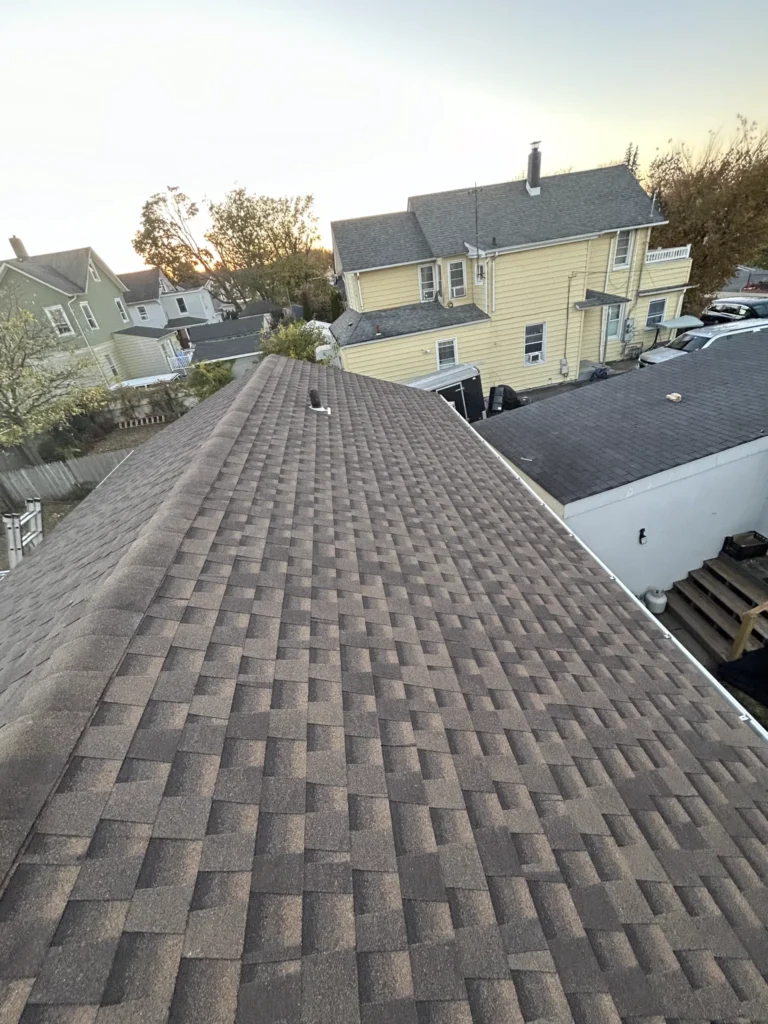
What Is a Roof Drip Edge?
A roof drip edge is a type of metal flashing installed along the edges of a roof. It is designed to control how rainwater flows off the shingles and direct that water away from the roof’s wooden components.
A properly installed roof drip edge Long Island typically sits along the roof’s eaves and rake edges. The metal extends beyond the roof edge so water can flow away from the fascia rather than running behind it.
Without proper edge protection, water can reach the roof deck and fascia, potentially contributing to moisture damage, wood rot, staining, and other problems over time.
The Asphalt Roofing Manufacturers Association notes that drip edge can help reduce the potential for wood deterioration caused by water getting underneath the edge of shingles.
Why Is a Roof Drip Edge Important in Long Island?
Long Island homes experience a wide range of weather conditions throughout the year. Heavy rainfall, winter snow, strong winds, and freeze-thaw cycles can all put stress on roofing components.
This makes a properly installed roof drip edge Long Island homeowners can rely on an important part of a well-designed roofing system.
Here are some of its key benefits.
1. Helps Direct Rainwater Away From the Fascia
One of the primary purposes of a drip edge is to guide water away from the roof’s wooden edges.
Instead of allowing water to run behind the fascia, the drip edge creates a controlled path for water to move away from the roof edge and toward the gutter system.
This can help reduce prolonged moisture exposure to the fascia and roof deck.
2. Helps Protect the Roof Deck
The roof deck is the structural surface underneath your roofing materials.
If water repeatedly reaches the exposed edge of the roof deck, moisture can contribute to deterioration over time.
A properly installed roof drip edge in Long Island helps shield this vulnerable edge and encourages water to shed away from the structure.
3. Helps Protect Fascia and Soffits
Fascia boards and soffits are located around the roof’s perimeter and can be vulnerable to water.
When rainwater gets behind the gutter or runs along the roof edge, these components may eventually develop moisture-related damage.
Drip edge flashing helps create separation between runoff and these vulnerable areas.
4. Helps Improve Gutter Water Flow
Your gutters are designed to collect water coming from the roof and move it away from your home’s foundation.
A properly installed drip edge can help guide water toward the gutter instead of allowing it to run behind the gutter or along the fascia.
That makes the drip edge and gutter system important parts of your home’s overall water-management system.
5. Helps Reduce Moisture-Related Problems
Moisture can create a variety of roofing and exterior problems when it is allowed to remain around wood components.
A drip edge helps control water movement at one of the most exposed parts of the roof.
For homeowners searching for roof drip edge Long Island solutions, professional installation is particularly important because the edge needs to work correctly with the shingles, underlayment, fascia, and gutter system.
Where Is Drip Edge Installed on a Roof?
Drip edge is commonly installed along two main areas:
Eaves: The lower horizontal edges of the roof where rainwater typically runs toward the gutters.
Rakes: The sloped edges of a gable roof.
Both areas can be exposed to wind-driven rain and moisture, so proper installation matters.
The Asphalt Roofing Manufacturers Association recommends corrosion-resistant drip edge that extends onto the roof sheathing and below the roof edge to promote proper water shedding.
What Happens If a Roof Doesn't Have a Proper Drip Edge?
A missing, damaged, or incorrectly installed drip edge can allow water to reach areas that should remain protected.
Potential problems can include:
- Water getting behind the fascia
- Rotting wood around the roof edge
- Moisture damage to the roof deck
- Water staining
- Damage around soffits
- Problems around gutters
- Increased risk of leaks
- Pest entry through gaps around the roof edge
Not every roof problem is caused by a missing drip edge, but the roof edge is an important area to inspect when water-related damage appears.
Can You Add a Drip Edge to an Existing Roof?
Yes, in some situations a drip edge can be added or repaired on an existing roof.
However, installation can be more complicated when shingles are already in place. Depending on the condition and design of the existing roof, sections of shingles may need to be lifted or removed to install the flashing correctly.
For this reason, homeowners considering roof drip edge Long Island installation should have the existing roof evaluated by a qualified roofing professional.
What Materials Are Used for Roof Drip Edge?
Drip edge is commonly made from materials such as:
- Aluminum
- Galvanized or coated steel
- Copper
Aluminum is popular for residential roofing because it is lightweight and corrosion-resistant. Steel provides additional rigidity, while copper is generally used for premium or architectural applications.
The appropriate material depends on the roof design, climate exposure, appearance, and project requirements.
Is Roof Drip Edge Required?
Drip edge requirements depend on the applicable building code, roofing system, and local jurisdiction.
Modern roofing standards commonly address drip edge installation for asphalt shingle roofs. Manufacturer installation instructions can also specify how drip edge should be installed.
Because requirements can vary by project and jurisdiction, a Long Island homeowner should have the roofing contractor verify the applicable local requirements rather than assuming that every roof has identical specifications.
How Do You Know If Your Drip Edge Needs Repair?
You may want to have your roof edge inspected if you notice:
- Water running behind your gutters
- Rot around the fascia
- Loose or bent metal along the roof edge
- Rust or corrosion
- Damaged roof-edge flashing
- Shingles lifting near the edge
- Water stains around soffits
- Repeated leaks near the roof perimeter
A professional inspection can determine whether the problem is related to the drip edge, gutters, shingles, flashing, or another part of the roofing system.
Roof Drip Edge vs. Roof Flashing: What's the Difference?
Drip edge is actually a type of roof flashing.
The term roof flashing generally refers to materials used to direct water away from vulnerable areas of a roof, such as chimneys, skylights, walls, valleys, and vents.
A drip edge specifically protects the outer edges of the roof and helps control water runoff at the eaves and rakes.
Understanding the difference is useful when discussing roof repairs with a contractor because different flashing components solve different water-management problems.
Why Long Island Homeowners Shouldn't Ignore the Roof Edge
Roof problems don’t always start with a dramatic leak inside your house.
Sometimes the problem begins at the edge of the roof where water repeatedly contacts the fascia, soffit, or roof deck.
For Long Island homeowners, regular roof inspections can help identify small problems before they become more expensive repairs.
If your roof is being replaced, ask your roofing contractor whether the estimate includes roof drip edge Long Island installation and whether the existing roof edge requires additional repair.
How Much Does Roof Drip Edge Cost?
The cost of installing or replacing a drip edge depends on several factors, including:
- Total roof perimeter
- Type of drip edge material
- Roof design
- Existing roof condition
- Labor requirements
- Whether shingles need to be removed
- Whether fascia or decking also needs repair
Because every roof is different, an accurate price requires an inspection and measurement of the property.
Instead of choosing a contractor based only on the lowest price, homeowners should confirm that the roofing estimate clearly explains the materials and installation work included.
Choosing a Roofing Contractor for Drip Edge Installation in Long Island
If you need roof drip edge Long Island installation or repair, look for a roofing contractor who can evaluate the entire roof edge rather than simply replacing a piece of metal.
A professional inspection should consider the condition of:
- Shingles
- Roof decking
- Underlayment
- Drip edge
- Fascia
- Soffits
- Gutters
- Flashing
The goal should be to identify the source of the water problem and provide a complete roofing solution.
Final Thoughts
A roof drip edge may be a small component, but it plays an important role in managing water around your home’s roof perimeter.
For Long Island homeowners, proper roof drip edge Long Island installation can help direct rainwater away from vulnerable roof components, protect the fascia and roof deck, and improve the way water moves into the gutter system.
If you are replacing your roof or noticing water damage around your gutters and fascia, don’t overlook the roof edge. A professional roofing inspection can determine whether your drip edge is properly installed, damaged, or missing.
Frequently Asked Questions About Roof Drip Edge Long Island
What is a roof drip edge?
Why is a roof drip edge important in Long Island?
Can a drip edge prevent roof leaks?
Can you install a drip edge on an existing roof?
What is the best material for a roof drip edge?
Does drip edge go around the entire roof?
How do I know if my roof drip edge is damaged?
Should drip edge be included in a roof replacement?
Need Professional Roofing Help in Long Island?
If you suspect damaged flashing, roof-edge problems, or water intrusion, getting the roof inspected early can help prevent a small issue from becoming a larger repair.
Skyscape Roofing can evaluate your roof and help determine whether you need roof repair, flashing work, roof replacement, or other roofing services in Long Island.
Protect your roof from the edge up – schedule a professional roof inspection today.
