
Your roof is your property’s first line of defense against rain, wind, snow, ice, and changing weather conditions. When roofing problems are left untreated, even a small issue can eventually lead to water damage, structural deterioration, and expensive repairs.
That is why choosing reliable Roof Repair Services Long Island can make an important difference. Professional roof repair helps identify problems early, address damaged areas, and protect your property for the long term.
Long Island’s coastal environment and changing seasonal weather can place significant stress on roofing systems. Skyscape Roofing notes that local roofs can be affected by humidity, freezing temperatures, strong winds, and coastal conditions.
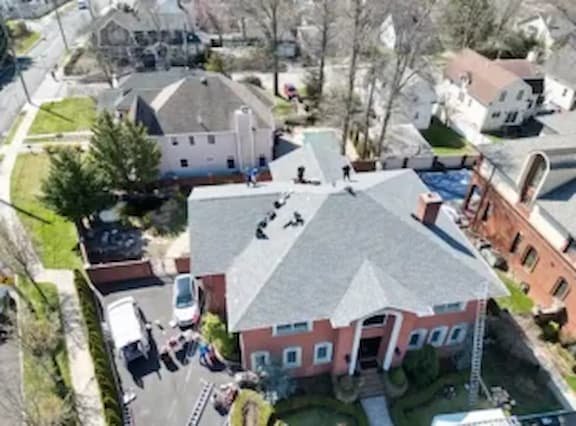
Why Roof Repair Is Important for Long Island Properties
Roof damage does not always begin with a major leak. Sometimes the first indication is a cracked shingle, damaged flashing, water stain, or small area of moisture.
If these problems are ignored, water may eventually reach the underlying roofing materials and interior parts of the property.
Professional Roof Repair Services Long Island homeowners can rely on can help:
- Identify roofing problems early
- Prevent minor damage from becoming extensive
- Reduce the risk of interior water damage
- Protect roofing and structural materials
- Extend the useful life of an existing roof
- Improve protection against severe weather
- Maintain the property’s value and appearance
7 Signs You May Need Roof Repair Services
1. Missing or Damaged Shingles
Strong winds and severe weather can loosen, crack, or remove shingles. Missing shingles can leave sections of the roof exposed to rain and moisture.
If you notice damaged or missing shingles after a storm, arrange a professional inspection rather than waiting for a leak to appear.
2. Water Stains on Ceilings or Walls
Brown, yellow, or dark stains on your ceiling or walls may indicate water entering through the roofing system.
A visible stain should not simply be painted over. The source of the moisture needs to be identified and corrected.
The U.S. Environmental Protection Agency recommends fixing water problems and controlling moisture to help prevent mold growth.
3. Roof Leaks
A dripping ceiling is one of the most obvious signs of roof damage.
However, finding the exact source of a leak can sometimes be difficult. Water may travel through roofing materials before becoming visible inside the property.
Professional roof repair services Long Island can help locate the source of the leak and determine the appropriate repair.
4. Damaged Flashing
Flashing helps protect vulnerable areas around chimneys, vents, skylights, valleys, and other roof penetrations.
When flashing becomes loose, cracked, or damaged, water can enter through these areas.
A professional roofer can inspect the flashing and determine whether it needs repair or replacement.
5. Sagging Roof Areas
A visibly sagging section of a roof should receive professional attention.
Sagging may indicate moisture-related deterioration or another underlying structural issue. Because the cause can be more serious than surface-level damage, homeowners should avoid delaying an inspection.
6. Excessive Granules in Gutters
Asphalt shingles naturally lose some granules over time. However, a noticeable accumulation of granules in your gutters may indicate that shingles are aging or deteriorating.
If you see an unusual amount of granules, consider having the roof professionally inspected.
7. Damage After Severe Weather
Strong winds, heavy rain, snow, and ice can all affect roofing materials.
After severe weather, look for:
- Missing shingles
- Cracked or lifted shingles
- Damaged flashing
- Loose roofing materials
- Water stains
- Damaged gutters
- Sagging areas
Some damage may not be visible from ground level, which is why a professional inspection can be useful.
How Long Island Weather Can Affect Your Roof
Long Island experiences a variety of weather conditions throughout the year.
According to Skyscape Roofing, the area’s coastal climate can expose roofs to salt air, humidity, freezing temperatures, and strong winds.
Wind
Strong winds can loosen shingles and damage flashing or other exposed roofing components.
Rain
Repeated rainfall can expose weaknesses in shingles, flashing, roof penetrations, and drainage systems.
Snow and Ice
Winter conditions can add weight to a roof and create opportunities for moisture intrusion when ice and snow accumulate.
Coastal Exposure
Properties near the coast may experience additional exposure to moisture and salt-laden air, which can contribute to gradual deterioration of exterior materials.
Because of these conditions, regular inspection and timely Roof Repair Services Long Island can be an important part of property maintenance.
How Roof Leaks Can Lead to Moisture Problems
A roof leak is not only a roofing problem. If moisture enters a building and remains unresolved, it can affect ceilings, walls, insulation, and other materials.
The EPA explains that mold growth requires moisture and recommends addressing the source of water problems rather than simply cleaning visible mold.
This is another reason why homeowners should address roof leaks promptly.
Roof Repair or Roof Replacement?
One of the most common questions homeowners ask is whether they need a repair or a completely new roof.
The answer depends on the condition of the roofing system.
Roof repair may be appropriate when:
- Damage is limited to a small area
- Only a few shingles are damaged
- Flashing needs repair
- A localized leak can be corrected
- The rest of the roof remains in good condition
Roof replacement may be considered when:
- Damage is widespread
- The roof is nearing the end of its service life
- Leaks continue despite previous repairs
- Large sections of the roofing system are deteriorating
- There is significant underlying damage
A professional inspection can help determine which option makes the most sense for your property.
How Professional Roof Repair Works
A professional roofing company generally begins by inspecting the roof and identifying visible and underlying issues.
The process may include:
- Roof inspection – The roofing system is checked for visible damage.
- Problem identification – The contractor determines the likely source of the issue.
- Repair recommendation – The appropriate repair or replacement option is explained.
- Damaged-area repair – Necessary roofing components are repaired or replaced.
- Final inspection – The completed work is checked to ensure the repaired area is properly addressed.
The exact process will depend on the type and severity of the roofing problem.
Why Choose a Professional Roofing Contractor?
Roof repair is not simply about covering a damaged area. The underlying cause needs to be identified.
Professional roofing contractors can inspect important components such as:
- Shingles
- Flashing
- Roof valleys
- Vents
- Chimneys
- Roof decking
- Underlayment
- Drainage systems
- Gutters
Skyscape Roofing provides residential and commercial roofing services in Long Island, including roof repair, roof replacement, installation, and maintenance.
Simple Ways to Protect Your Roof
Regular maintenance can help you identify potential problems before they become major repairs.
Keep Gutters Clean
Blocked gutters can interfere with proper water drainage. The EPA also recommends regular gutter maintenance as part of moisture prevention.
Inspect Your Roof After Storms
Check for visible signs of damage after strong winds, heavy rain, snow, or other severe weather.
Watch Your Ceilings and Attic
Water stains, damp areas, musty odors, or visible moisture can indicate a roofing problem.
Don’t Ignore Small Leaks
A small leak can become a much bigger problem if the source is not corrected.
Schedule Professional Inspections
A professional inspection can identify problems that may not be visible from the ground.
When Should You Call a Roofing Professional?
You should consider contacting a roofing professional when you notice:
- A roof leak
- Missing or damaged shingles
- Ceiling water stains
- Damaged flashing
- Sagging roof areas
- Significant granule loss
- Storm damage
- Repeated roofing problems
Getting an inspection early may help you address a problem before it becomes more extensive.
Choose Reliable Roof Repair Services in Long Island
Your roof plays an important role in protecting your property from the elements. Ignoring small signs of damage can allow moisture to spread and potentially turn a simple repair into a much larger project.
Whether you are dealing with a leak, damaged shingles, deteriorating flashing, or storm damage, professional Roof Repair Services Long Island can help you understand the condition of your roofing system and determine the right next step.
Skyscape Roofing provides residential and commercial roofing solutions throughout Long Island, including roof repair, roof replacement, and other roofing services.
If you notice signs of roof damage, consider scheduling a professional inspection before the problem becomes more serious.
