
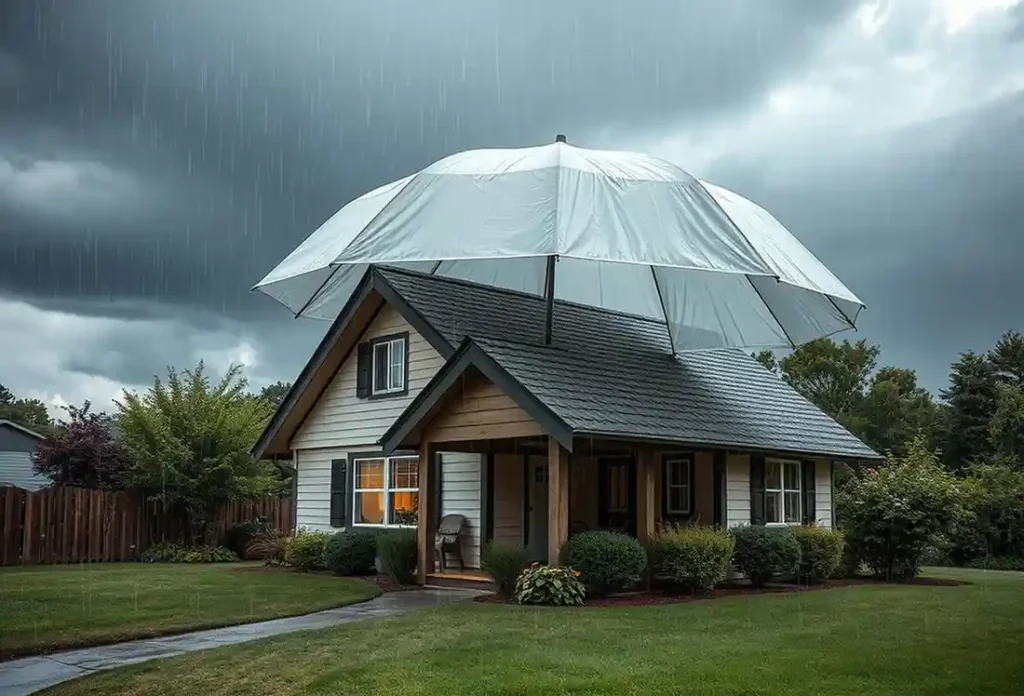
Have you ever wondered how the rainy season, although it feels refreshing, is also very hard on your roof? Rooves endure extreme conditions because of constant moisture, unstable high heat, harsh winds and large amounts of rainfall which can degrade roof coverings. Most homeowners won’t recognize there is an issue until they see water leaking from the ceiling.
Each year there are damages sustained inside homes due to leaks; these will incur significant costs in repairs. The key fact most people fail to acknowledge is that the vast majority of these damages can easily be avoided by having their roofs serviced on a regular basis with prompt maintenance of the roof when needed.
So, through this blog, you’ll learn why monsoon season is hard on roofs, how to spot early warning signs, and what simple steps you can take to protect your home before, during, and after the rains.
Why Monsoon Season Is Tough on Roofs
Here are some of the main reasons behind damage to roofs during the monsoon season:
A. Heavy Rainfall
When continuous rainwater happens, it puts pressure on your roof surface. If there are tiny cracks or weak spots, water easily seeps in.
Even if it’s flat roofs, it may also face ponding issues, where water collects and stays for hours. As time passes, this can slowly reduce the strength of the structure and eventually cause leaks. Without proper monsoon roof maintenance, small problems quickly become big repairs.
B. Strong Winds
Strong winds can cause roof materials like shingles or roofs to loosen. In fact, high winds can often cause some roof materials to be blown off altogether.
Winds create a structural pressure along roof edges and joints. So if your roof isn’t secure, rainwater can get inside easily. This is why preventive roofing solutions are so important before the rainy season begins.
C. High Humidity
Normally, the monsoon air is full of moisture. That moisture can get trapped inside your roof and attic.
This leads to:
- Mold and mildew growth
- Wooden beams are starting to rot
- Musty smells inside the house
Humidity damage often goes unnoticed until it becomes serious.
D. Debris Accumulation
Leaves, dust, and branches can clog gutters and drainage pipes.
Blocked drainage systems stop water from flowing away properly. When water backs up, it increases the chances of leaks. Many emergency repairs during the monsoon happen because gutters were never cleaned.
Signs Your Roof Needs Attention Before the Heavy Rains
Keep an eye out for these warning signs:
- Water stains on ceilings
- Damp or peeling walls
- Missing or cracked shingles
- Sagging roof areas
- Mold smell in the attic
- Overflowing or blocked gutters
If you notice even one of these, don’t delay repairs.
Pre-Monsoon Roof Inspection Checklist
Before the rainy season approaches, it’s beneficial to do some preventative maintenance to your roof.
1. Inspect the Shingles / Tiles
Look for signs of damage like cracks, curled edges or missing shingles/tiles.
2. Check the Flashing and Seals
Areas around chimneys, vents, and skylights are common leak locations so inspect these.
3. Clean the Gutters and Downspouts
Make sure no leaves or debris are blocking the flow of water away from your roof.
4. Inspect the Attic Ventilation System
If you have adequate air flow from venting your attic then moisture should not accumulate.
5. Look for the Location of Structural Weaknesses
Check for nail pops, rusted parts or structural supports that are broken.
Many times, homeowners will utilize a professional roofing service in order to have a complete inspection as they are professionals and will be able to find issues that a homeowner may miss.
Preventive Measures to Protect Your Roof
Taking a few simple steps before the monsoon begins can make a big difference in keeping your roof strong, leak-free, and ready to handle heavy rains. Here are a few key steps you should focus on:
1. Apply Waterproof Coating
One of the most effective roof sealing solutions is applying a waterproof coating.
Benefits include:
- Prevents water seepage
- Adds extra protection during heavy rains
- Extends roof life
Applying roofseal waterproofing forms a strong barrier on the surface, helping protect your roof from continuous rain and moisture damage.
2. Repair Small Leaks Immediately
Small cracks should never be ignored.
Temporary DIY fixes may include:
- Applying sealant to minor cracks
- Using roofing tape for quick patching
But for serious issues, professional roofing services are always the safer choice.
3. Make sure Proper Drainage
Good drainage is one of the smartest roofing solutions.
- Make sure the roof slope allows water to flow down
- Install gutter guards
- Clean drains regularly
Proper drainage reduces pressure on your roof during heavy rainfall.
4. Trim Overhanging Tree Branches
Tree branches hanging over the roof can cause problems.
They:
- Drop leaves that clog gutters
- Break during storms and damage roofing materials
Regular trimming helps prevent unnecessary damage.
5. Schedule Professional Roof Inspection
Annual inspections are a key part of monsoon roof maintenance.
They help:
- Detect early signs of damage
- Prevent emergency repairs
- Increase roof lifespan
Investing in preventive care costs much less than major repairs later.
6. During Monsoon: Emergency Tips
If you suddenly notice a leak:
- Place a bucket to collect dripping water
- Move furniture away
- Use waterproof tape as a temporary patch
- Switch off electricity if water is near wiring
Avoid climbing onto the roof during heavy rain. It is dangerous.
7. Post-Monsoon Roof Maintenance
After the rainy season:
- Inspect the roof again
- Remove mold or mildew
- Repaint or reseal if needed
- Take photos for insurance claims if damage occurred
Post-season checks help keep your roofing solutions strong for the next year.
Emergency Roof Repairs vs. Preventive Maintenance
Emergency roof repairs are often much more expensive than regular care. Here’s a simple comparison to clearly explain the difference:
| Factor | Emergency Roof Repairs | Preventive Maintenance |
| Cost | High unexpected expense | Lower, planned expense |
| Damage Level | Usually severe (leaks, structural damage) | Minor issues fixed early |
| Stress Level | Urgent and stressful situation | Planned and manageable |
| Long-Term Savings | More money spent over time | Reduces long-term expenses |
| Property Value | May decrease due to visible damage | Improves and protects property value |
| Safety Risk | Higher risk during storms | Problems handled before monsoon |
FAQS
Why does water leak from a roof in the monsoon's rainy season?
Most monsoon leaks happen due to cracked tiles, clogged gutters, damaged waterproofing, or loose flashing. Heavy rain simply finds and exposes these weak spots.
Should I wait for the rainy season to end to fix small roof leaks?
A small leak will continue to worsen with time; therefore, it is ideal to fix it quickly to prevent additional damage to the wall/ceilings.
How would I identify if my roof was leaking?
To determine whether your roof is leaking, a person should look for stains on their ceiling, flaking or discoloration of the paint on the ceiling, any damp odor found in the room and/or ceiling, and/or any areas of the ceiling that appear to be sagging
What are some tips for fixing a roof leak?
Basic roof leak repair consists of periodically cleaning gutters, sealing small cracks, inspecting tiles on the roof for cracking or breaking, and whenever there is more severe damage, you should call a professional.
Conclusion
Monsoon damage is not something that happens suddenly; it builds up over time. So make sure you inspect early. Fix small issues quickly. Clean gutters. Apply waterproof coating. Schedule regular checkups.
Your roof protects your entire home. Taking simple steps today can save you from serious problems tomorrow.
If you are unsure about your roof’s condition, it’s wise to consult trusted roofing services like skyscaperoofing before the rains begin.
