
Most Long Island homeowners don’t think about their roof until a major storm is on the way. Unfortunately, by then, it may be too late to prevent costly damage. A storm-ready roof is inspected, maintained, and reinforced before hurricane season begins. Taking action early can help protect your home from high winds, heavy rain, and flying debris.
Quick Answer
A storm-ready roof starts with a thorough inspection. Check for damaged or missing shingles, loose flashing, clogged gutters, and unsecured vents or skylights. Trimming overhanging tree branches can also reduce the risk of storm damage. Make sure your roof meets current wind-resistance standards and building codes.
If your roof is more than 15–20 years old, or if you have noticed leaks, soft spots, sagging areas, or recurring repairs, it may be time to consider a replacement. Investing in a storm-ready roof before hurricane season can help you avoid emergency repairs, water damage, and higher costs after a storm

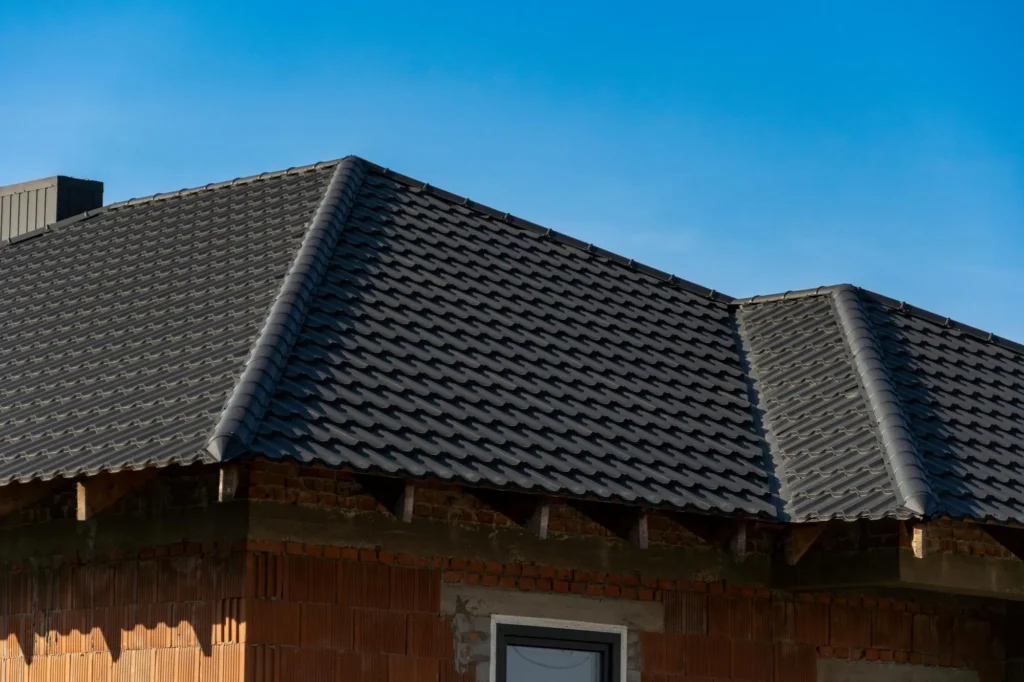
Why Storm Prep Matters More on Long Island
Living on Long Island means your roof faces some of the toughest weather conditions in the region. Homes in Nassau and Suffolk counties are regularly exposed to nor’easters, tropical storms, strong coastal winds, and salt air, all of which can shorten the lifespan of roofing materials. That’s why having aStorm-Ready Roof isn’t just a precaution-it’s an important part of protecting your home.
While the 2026 Atlantic hurricane season is expected to be less active than average, experts still warn against becoming complacent. According to NOAA, the forecast includes 8 to 14 named storms, with 3 to 6 expected to become hurricanes. As the National Weather Service points out, a single hurricane making landfall is enough to cause significant damage, regardless of the overall seasonal outlook.
Storm damage can also be expensive. Wind and hail remain two of the leading causes of homeowners insurance claims in the United States, with the average claim costing around $15,000. Taking the time to inspect and maintain a storm-ready roof before hurricane season can help reduce the risk of costly repairs, protect your home, and give you greater peace of mind when severe weather arrives.
What Makes a Roof “Storm-Ready”?
Before the checklist, here are the terms roofers and inspectors will use, so you can follow along with confidence:
Flashing – thin metal strips sealing joints around chimneys, vents, and skylights.
Underlayment – the water-resistant layer beneath your shingles.
Wind uplift rating – how much wind speed a roofing system is rated to withstand (many modern shingles are rated for 110-130 mph).
Soffit and fascia – the trim under your roofline; damaged soffits let wind and water into the attic.
Ice and water shield – a self-sealing underlayment used at eaves and valleys, required by many Long Island building codes.
Your Storm-Ready Roof Checklist (Complete Before Hurricane Season)
Getting your storm-ready roof prepared before hurricane season can help prevent expensive repairs and reduce the risk of serious damage. Use this checklist to make sure your roof is ready for Long Island’s unpredictable weather.
Schedule a professional roof inspection. A local roofing contractor can identify cracked shingles, loose flashing, damaged roof decking, and other problems that aren’t visible from the ground.
Clean your gutters and downspouts. Leaves and debris can block water flow, causing rainwater to back up beneath your shingles and into your home.
Trim overhanging tree branches. Strong winds can snap branches, leading to broken shingles, damaged gutters, or even holes in your roof.
Secure loose shingles, vents, and skylights. Any loose roofing component can become vulnerable during high winds and heavy rain.
Check attic ventilation and insulation. Good airflow helps prevent moisture buildup, which can weaken the roof structure over time.
Take photos of your roof. Clear, dated photos can be helpful if you ever need to file an insurance claim after a storm.
Ask about wind-resistant roofing materials. If you’re planning a replacement, consider shingles designed to withstand winds of 110 mph or more for better storm protection.
Don’t Wait Until the Storm Is Coming
One of the biggest mistakes homeowners make is waiting until a hurricane warning is issued before calling a roofer. By then, most roofing companies on Long Island are fully booked, and emergency repairs often cost much more than planned maintenance. Preparing your storm-ready roof early gives you more options and helps avoid unnecessary stress.
Common Storm Damage on Long Island Roofs
Even a single storm can leave lasting damage. Some of the most common roofing problems seen across Long Island include:
- Missing or lifted shingles caused by strong winds.
- Leaks around chimneys, vents, and skylights where flashing has failed.
- Granule loss on asphalt shingles, which reduces their ability to protect your roof.
- Standing water on flat or low-slope roofs, especially on older homes.
- Damaged soffits and fascia from wind-driven rain and flying debris.
Regular inspections help catch these issues before they become major repairs.
Should You Repair or Replace Your Roof?
Not every roof needs to be replaced. A professional inspection can help you decide which option makes the most sense.
Choose a repair if:
- Your roof is less than 15 years old.
- Damage is limited to one small area.
- Most shingles are still in good condition.
Consider a replacement if:
- Your roof is more than 20 years old.
- You have multiple leaks or widespread shingle damage.
- The roof has soft spots, sagging, or significant granule loss.
If you’re unsure, get a second opinion from a licensed Long Island roofing contractor. A trustworthy professional should clearly explain the damage and recommend the most practical solution-not just the most expensive one.
Frequently Asked Questions
1. What is a storm-ready roof?
2. When should I prepare my storm-ready roof?
3. How do I know if my roof is ready for a storm?
4. How often should I inspect my storm-ready roof?
5. Can I make my roof more resistant to strong winds?
6. Should I repair or replace my roof before hurricane season?
7. Is a professional roof inspection worth it?
Final Thoughts
A storm-ready roof gives you peace of mind when hurricane season arrives. A simple inspection, timely repairs, and regular maintenance can help protect your home and reduce costly damage. Don’t wait until a storm is in the forecast, prepare your storm-ready roof now so your home is ready when severe weather arrives.
