
Can You Install a New Roof Over an Old One?
If your roof is getting old and starting to show signs of wear, you may be wondering whether you need a full roof replacement or if new shingles can simply be installed over the existing ones.
The short answer is yes-but only in certain situations.
For many Long Island homeowners, installing a new layer of shingles over an existing roof can reduce labor costs and speed up the project. However, whether this option is possible depends on your roof’s condition, local building codes, and how many layers of shingles are already in place.
What Is a Roof Overlay?
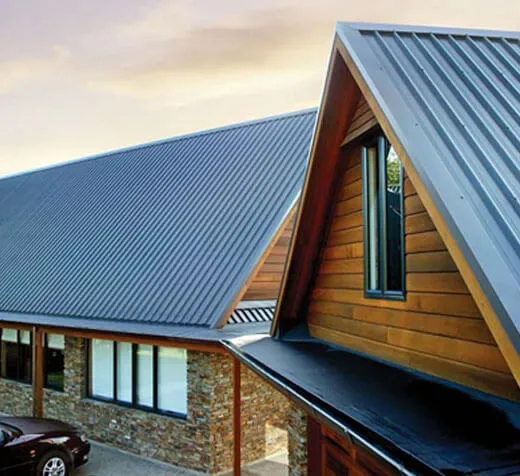
Installing new shingles over an existing roof is known as a roof overlay or re-roofing.
Instead of removing the old shingles, contractors install a new layer directly on top of the existing one. Since there’s no tear-off, the job usually takes less time and generates less waste, making it a more affordable option in some cases.
That said, a roof overlay isn’t suitable for every home. Before choosing this approach, it’s important to make sure your roof meets certain requirements.
The Two-Layer Rule
One of the first things a roofing contractor will check is how many layers of shingles are already on your roof.
Most building departments in the United States follow the International Residential Code (IRC). Under Section R908.3.1.1, asphalt shingle roofs are generally limited to two layers.
Here’s what that means:
If your roof has one layer of shingles, adding a second layer may be allowed. If your roof already has two layers, a complete tear-off is usually required before installing new roofing materials.
This rule exists because multiple layers add extra weight to the roof and can hide structural problems underneath.
What About Long Island?
In most Long Island municipalities, roofing work follows the International Residential Code along with local building regulations. While a roof overlay is often permitted when only one layer of shingles exists, requirements can vary by town.
Long Island’s coastal climate – salt air, high winds, and heavy winter snow load – makes roof deck condition especially important before choosing an overlay. Moisture-damaged decking hidden under a new layer of shingles can fail faster in Nassau and Suffolk County’s weather than it would inland, which is why a full inspection matters more here than in milder climates.
That’s why it’s always a good idea to work with a licensed local roofing contractor who understands the permit requirements in your area.
When a Roof Overlay Makes Sense
A roof overlay may be a practical option if:
Your roof has only one layer of shingles.
The roof deck is solid and free from water damage.
The existing shingles are relatively flat and in decent condition.
There are no major leaks or structural issues.
In these situations, a roof overlay can provide several benefits:
Lower installation costs
Faster project completion
Less construction debris
Minimal disruption to your home
When You Should Choose a Full Roof Replacement
A complete tear-off is usually the better option if:
Your roof already has two layers of shingles.
There is visible water damage or rotting wood beneath the shingles.
The roof is sagging or has structural concerns.
Existing shingles are badly curled, cracked, or uneven.
You want the longest possible lifespan from your new roof.
Not sure which mistakes to avoid during a re-roof? See our guide on common roofing mistakes homeowners make on Long Island.
Removing the old roof allows contractors to inspect the roof deck, replace damaged wood, and install new underlayment for better long-term protection.
Is a Roof Overlay Worth It?
A roof overlay can save money upfront, but it isn’t always the best long-term investment. Because the old shingles remain underneath, future repairs can be more difficult, and the new roof may not last as long as one installed after a complete tear-off.
For homeowners planning to stay in their home for many years, a full roof replacement often provides better value and peace of mind.
What Is a Roof Overlay?
Installing new shingles over an existing roof is known as a roof overlay or re-roofing.
Instead of removing the old shingles, contractors install a new layer directly on top of the existing one. Since there’s no tear-off, the job usually takes less time and generates less waste, making it a more affordable option in some cases.
That said, a roof overlay isn’t suitable for every home. Before choosing this approach, it’s important to make sure your roof meets certain requirements.
The Two-Layer Rule
One of the first things a roofing contractor will check is how many layers of shingles are already on your roof.
Most building departments in the United States follow the International Residential Code (IRC). Under Section R908.3.1.1, asphalt shingle roofs are generally limited to two layers.
Here’s what that means:
– If your roof has one layer of shingles, adding a second layer may be allowed.
– If your roof already has two layers, a complete tear-off is usually required before installing new roofing materials.
This rule exists because multiple layers add extra weight to the roof and can hide structural problems underneath.
What About Long Island?
In most Long Island municipalities, roofing work follows the International Residential Code along with local building regulations. While a roof overlay is often permitted when only one layer of shingles exists, requirements can vary by town.
Long Island’s coastal climate — salt air, high winds, and heavy winter snow load — makes roof deck condition especially important before choosing an overlay. Moisture-damaged decking hidden under a new layer of shingles can fail faster in Nassau and Suffolk County’s weather than it would inland, which is why a full inspection matters more here than in milder climates.
That’s why it’s always a good idea to work with a licensed local roofing contractor who understands the permit requirements in your area.
When a Roof Overlay Makes Sense
A roof overlay may be a practical option if:
– Your roof has only one layer of shingles.
– The roof deck is solid and free from water damage.
– The existing shingles are relatively flat and in decent condition.
– There are no major leaks or structural issues.
In these situations, a roof overlay can provide several benefits:
– Lower installation costs
– Faster project completion
– Less construction debris
– Minimal disruption to your home
When You Should Choose a Full Roof Replacement
A complete tear-off is usually the better option if:
– Your roof already has two layers of shingles.
– There is visible water damage or rotting wood beneath the shingles.
– The roof is sagging or has structural concerns.
– Existing shingles are badly curled, cracked, or uneven.
– You want the longest possible lifespan from your new roof.
Not sure which mistakes to avoid during a re-roof? See our guide on common roofing mistakes homeowners make on Long Island.
Removing the old roof allows contractors to inspect the roof deck, replace damaged wood, and install new underlayment for better long-term protection.
Is a Roof Overlay Worth It?
A roof overlay can save money upfront, but it isn’t always the best long-term investment. Because the old shingles remain underneath, future repairs can be more difficult, and the new roof may not last as long as one installed after a complete tear-off.
For homeowners planning to stay in their home for many years, a full roof replacement often provides better value and peace of mind.
Frequently Asked Questions
1. Can you install a new roof over an old one?
2. Is installing a new roof over an old one a good idea?
3. How many layers of shingles are allowed on a roof?
4. What are the benefits of installing a new roof over an old one?
5. When should you avoid installing a new roof over an old one?
6. Does installing a new roof over an old one last as long as a full roof replacement?
7. Can installing a new roof over an old one hide roof problems?
8. Should Long Island homeowners install a new roof over an old one?
Final Thoughts
Yes, you can install a new roof over an old one-but only if your existing roof qualifies.
The number of existing shingle layers, the condition of the roof deck, and local building codes all play an important role in the decision. A professional roof inspection is the best way to determine whether a roof overlay is safe or whether a complete replacement is the smarter choice.
Taking the time to choose the right option now can help protect your home and avoid costly roofing problems in the future.
A roof overlay can save time and money, but it only works under the right conditions: one existing layer, a solid deck, and local code approval. If your roof has already been overlaid once, shows water damage, or you simply want the longest-lasting result, a full roof replacement is the safer bet.
Not sure which option is right for your home? Contact Skyscape Roofing, Long Island’s trusted roofing company, for a free inspection and honest recommendation. Check out our project gallery to see recent roof replacements and overlays completed across Long Island homes.
