
As the summer months roll in, so does the inevitable threat of severe weather on the East Coast. For New York homeowners, knowing exactly how to prepare Long Island roof for hurricane season is not just a suggestion-it is a critical necessity. High winds, torrential downpours, and flying debris can easily wreak havoc on an unprepared home, leading to devastating interior leaks. In this comprehensive guide, we will walk you through the essential steps to fortify your roof before the next big storm hits the forecast.
Why Early Hurricane Preparation is Crucial
Waiting until a hurricane warning is broadcasted is the worst time to start checking your roof. By then, local contractors are booked solid, and it is too dangerous to climb a ladder yourself. Being proactive gives you the time needed to fix minor vulnerabilities before they turn into major emergencies.
- Saves you money: Preventative maintenance is vastly cheaper than an emergency storm damage roof repair NY scenario.
- Secures your home: A tight, sealed roof prevents massive water damage to your attic and living spaces.
- Provides peace of mind: You can sleep soundly during a storm knowing your home’s first line of defense is ready.
4 Steps to Storm-Proof Your Roof
1. Schedule a Professional Inspection
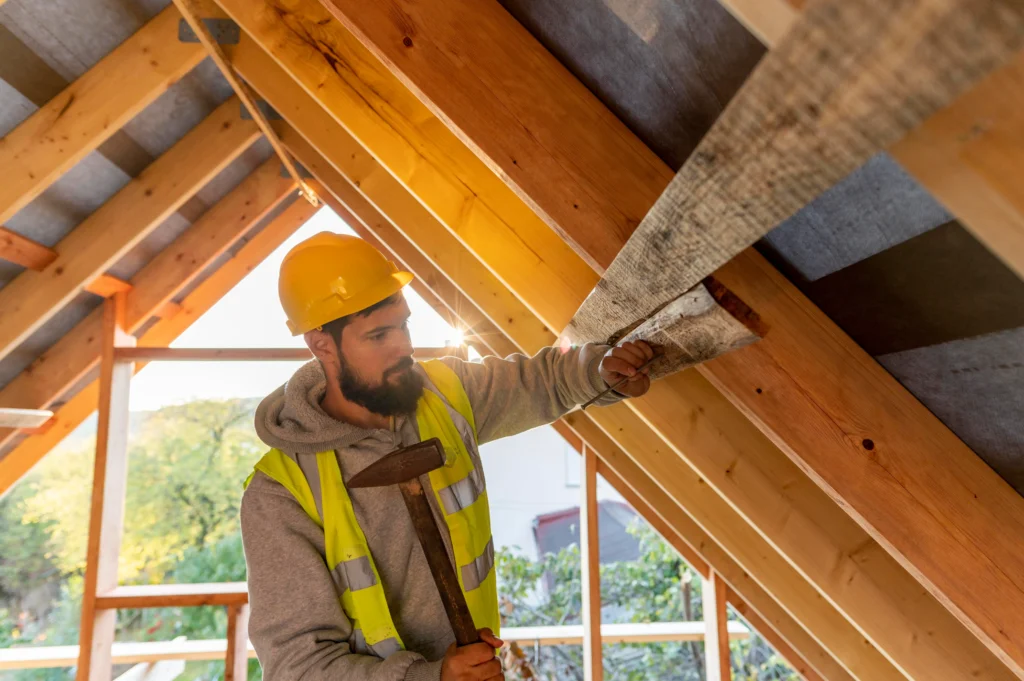
The absolute best way to ensure your roof can withstand hurricane-force winds is to have it evaluated by a reputable Long Island roofing company. Professionals know exactly what hidden weak points to look for. They will check the integrity of your shingles, evaluate the decking, and ensure all structural elements meet local building codes.
2. Secure Loose Shingles and Flashing
High winds look for any opportunity to lift your roofing materials. Even a single curled or loose shingle can catch the wind, causing a chain reaction that tears off a large section of your roof.
- Have missing or damaged shingles replaced immediately.
- Ensure the metal flashing around chimneys, vents, and skylights is tightly sealed and firmly nailed down.
- Re-caulk any dried-out seals to prevent water intrusion.
Storm Season is Fast Approaching! Do not leave your home’s safety to chance. Contact Skyscape Roofing today to schedule your pre-hurricane roof inspection and secure your property!
3. Clear Out the Gutters
During a hurricane, your roof needs to shed hundreds of gallons of water very quickly. If your gutters are clogged with spring leaves and debris, that water has nowhere to go but up and under your shingles. Clean your gutters thoroughly and make sure your downspouts are securely attached and directing water far away from your foundation.
4. Consider Wind Resistant Roofing Upgrades
If your roof is nearing the end of its lifespan, it might be time to replace it with materials specifically designed for extreme weather. Upgrading to high-quality wind resistant roofing-such as architectural asphalt shingles or metal roofing-can significantly increase your home’s durability against Category 1 and 2 hurricane winds.
Conclusion
Taking the time to prepare Long Island roof for hurricane conditions is one of the most responsible things you can do as a homeowner. By securing loose materials, clearing your drainage systems, and bringing in the experts for a thorough inspection, you drastically reduce your risk of catastrophic water damage.
Is your roof ready to weather the storm? Do not wait until the sirens sound. Get in touch with Skyscape Roofing today to ensure your home is fully protected this hurricane season!
FAQs
What are the signs that my roof sustained storm damage? After a severe storm, look for missing or torn shingles, dented metal flashing, large branches on the roof, or an accumulation of shingle granules at the bottom of your downspouts. Also, check your attic for any sudden water stains or leaks.
Are architectural shingles better for hurricanes? Yes. Architectural (or dimensional) shingles are thicker, heavier, and offer significantly higher wind resistance ratings compared to standard 3-tab asphalt shingles, making them ideal for hurricane-prone areas.
Should I tarp my roof before a hurricane? You should only tarp your roof if there is already known, active damage (like a hole or missing shingles) to prevent water from entering during the storm. If your roof is intact, a tarp is unnecessary and can easily blow away in hurricane-force winds.
