
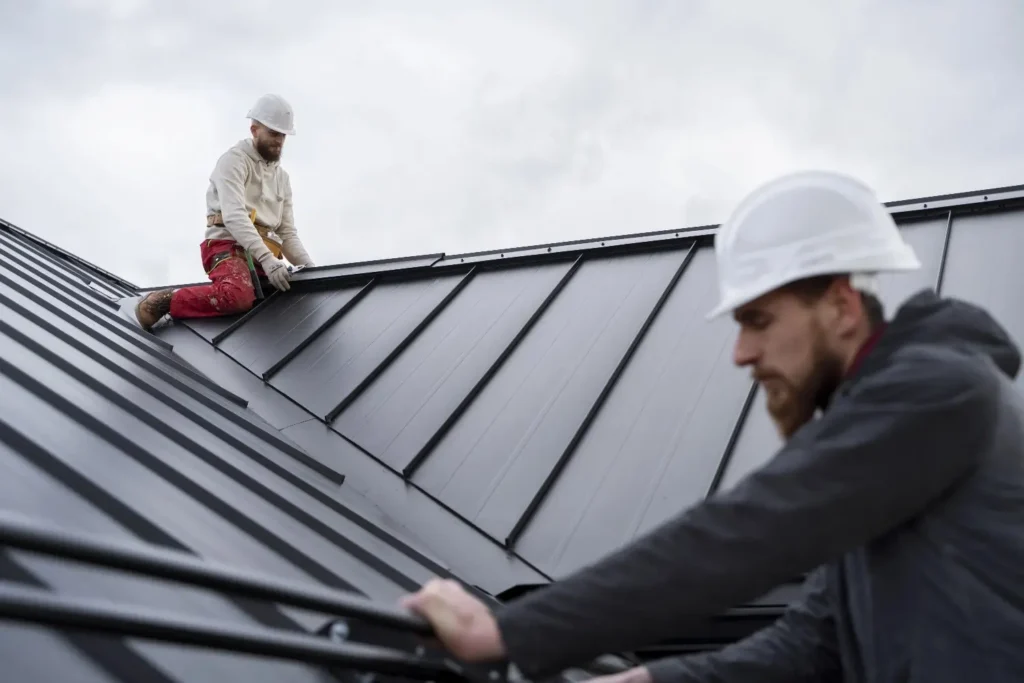
On Long Island, homeowners are subject to various environmental factors, including extreme temperatures (very cold) and precipitation, particularly as rain from storms moving in from offshore. Over an extended period of time, this continuous variability in weather can have significant negative effects on your house, especially on and around your roof.
Most people do not think about the roof of their house until they notice that they have a leaking issue. The reality is that many roofing problems begin small initially and progressively become worse over time, but if you know what to look for, you can reduce the amount of stress and/or money that roofing problems cause later on.
Let us now discuss the reasons why roofs on Long Island are subjected to more abuse than roofs located away from the coast and the common roofing problems that all Long Island homeowners should pay attention to.
Why Roofs in Long Island Face Unique Challenges
Long Island’s coastal climate creates conditions that are harder on roofs than in many other areas.
A. Coastal Storm Exposure
Homes here regularly deal with:
- Nor’easters
- Hurricanes
- Strong wind gusts
Strong winds can lift shingles, bend or loosen flashing, and leave parts of your roof exposed to damage. Your roof might seem fine when you look at it from outside, but storms can still cause damage that isn’t easy to see.
B. Heavy Snow & Ice Dams
Winter weather brings freeze-thaw cycles. During the day, snow melts, and when temperatures drop at night, that melted snow freezes again.
This can lead to:
- Ice dams are forming at the roof edges
- Gutter blockages
- Water backing up under shingles
That trapped water often turns into leaks.
C. Salt Air Corrosion
Being close to the coast means salt in the air. Over time, salt can:
- Corrode metal flashing
- Rust nails and fasteners
- Speed up shingle deterioration
That’s why working with an experienced Long Island roofing contractor matters. Coastal homes need materials and installation methods built to handle these conditions.
Most Common Roof Problems in Long Island
1. Roof Leaks
Leaks are one of the biggest Long Island roofing problems homeowners face.
Common causes:
- Cracked or missing shingles
- Flashing damage
- Ice dams
- Clogged gutters
Warning signs:
- Ceiling stains
- Mold smells
- Damp attic insulation
- Peeling paint
If you notice these signs, it’s time for Long Island roof repair before the damage spreads.
2. Ice Dams
Ice dams happen frequently during winters in this area.
They happen when attic heat melts snow, which refreezes at the roof’s edge. This blocks proper drainage.
Signs include:
- Thick ice along gutters
- Icicles forming along the roofline
- Water stains on interior ceilings
The best way to prevent this problem is by making sure your attic has good insulation and proper airflow.
3. Missing or Damaged Shingles
Strong coastal winds can lift or tear off shingles.
Look for:
- Bare patches
- Curling edges
- Blistering surfaces
- Granules collecting in gutters
Even small shingle damage can allow water to get underneath.
4. Flashing Failures
Flashing seals areas around:
- Chimneys
- Skylights
- Roof vents
Salt air can cause rust over time. Poor installation can also lead to early failure. When flashing pulls away, leaks usually follow.
5. Mold & Algae Growth
Humidity makes Long Island roofs more likely to develop algae.
You may see:
- Dark streaks
- Green patches
- Moss buildup
Besides affecting curb appeal, moisture buildup can shorten roof lifespan.
6. Sagging Roof
A sagging roof is a serious issue.
It can signal:
- Structural damage
- Long-term water infiltration
- Rotting roof decking
If your roofline looks uneven, call a professional immediately.
7. Gutter Problems
Gutters play a big role in preventing Long Island roofing problems.
Common issues:
- Leaf clogs
- Poor drainage
- Water pooling near the foundation
Blocked gutters increase the risk of leaks and ice dams.
Warning Signs Homeowners Should Never Ignore
- Water stains on ceilings
- Sudden increase in energy bills
- Shingle granules in gutters
- Daylight visible in attic
- Dripping during heavy rain
These warning signs mean it’s time to have your roof checked before the problem gets worse.
How frequently should you have your roof inspected in Long Island?
Because of the local climate:
- Inspect after major storms
- Have your roof checked two times a year – once in the spring and again in the fall-to catch problems early.
- Have a professional check it if you see visible damage
Regular inspections help catch small issues early.
Repair vs. Replacement: What’s Best?
The right choice depends on:
- Roof age
- Damage severity
- Budget
- Long-term plans
In this area, asphalt shingles typically last about 20–25 years. Coastal weather can shorten that lifespan without maintenance.
A trusted Long Island roofing contractor can help you decide whether repair or replacement makes more sense.
Preventative Maintenance Tips
To reduce roof damage Long Island homes commonly face:
- Clean gutters regularly
- Trim overhanging branches
- Check attic insulation
- Schedule annual inspections
- Fix small problems early
Simple steps can extend your roof’s life.
FAQS
What are the most frequent issues with roofs on Long Island?
The most prevalent issue affecting roofs on Long Island is leaks. Roofs in Long Island typically develop a leak after the roofing material fails (i.e., the shingles or flashing fail), often caused by strong winds, heavy snow, and ice dams that put pressure on the roof, and/or debris accumulation in gutters. Many of the roofing problems found on Long Island began with an unnoticed or unaddressed leak.
What is the typical lifespan of a roof in Long Island?
Asphalt shingles in Long Island will typically last between 20-25 years, but they can be affected by several environmental factors that shorten their lifespan (i.e., coastal storms, salt air and humidity from the ocean, and ice during the winter), unless the roof is consistently inspected and maintained.
What are the common defects in roofing?
Some of the most common defects include:
Missing or cracked shingles
Rusted or loose flashing
Poor attic ventilation
Ice dam damage
Clogged or damaged gutters
Mold and algae growth
These problems are common in coastal areas and often require professional Long Island roof repair to prevent bigger damage.
Final Thoughts
Roofs on Long Island can be impacted due to the climate.If you notice damaged roofs like missing shingles, rust stains from flashing, ice dam damage. Please take action and repair these issues before the weather creates further problems.
Skyscape Roofing has the knowledge and experience to repair and/or replace roofs located in beach areas.
Whether you need a quick roof repair or full replacement, Skyscape Roofing is able to assist.
Call today to have your roof assessed so that you can prepare your roof for the upcoming storm.
